
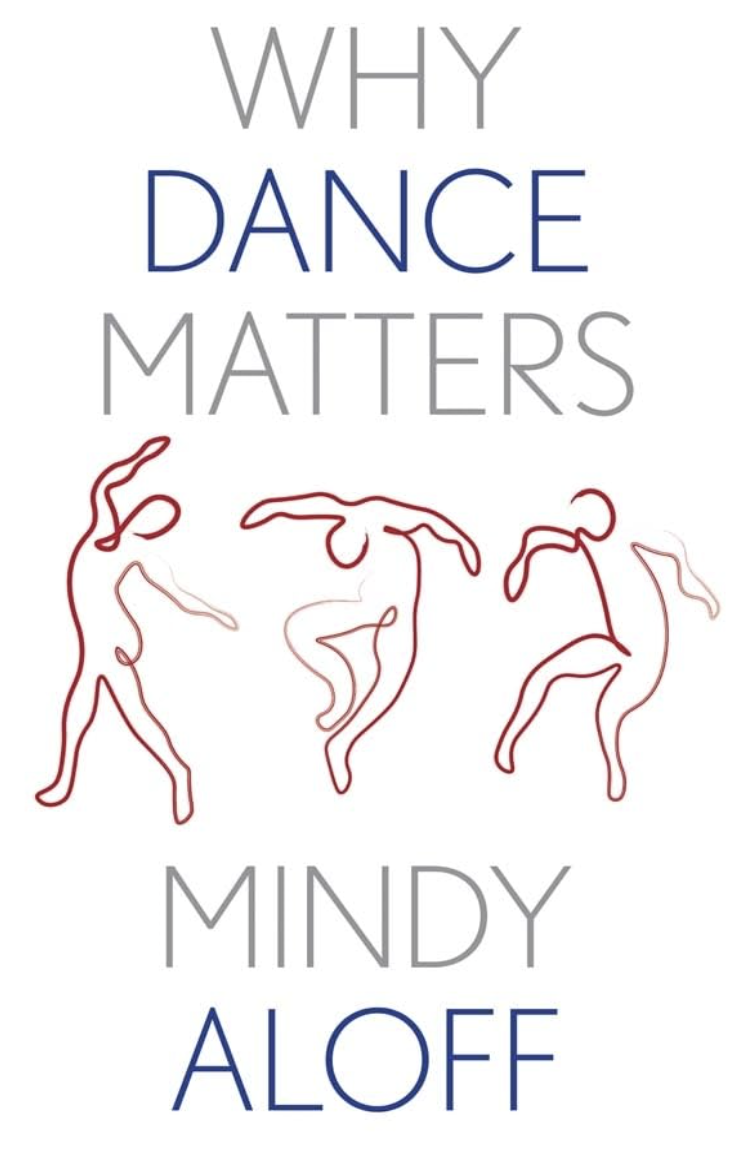
Why Dance Matters by Mindy Aloff
A book-length personal essay, part of Yale's "Why X Matters" series
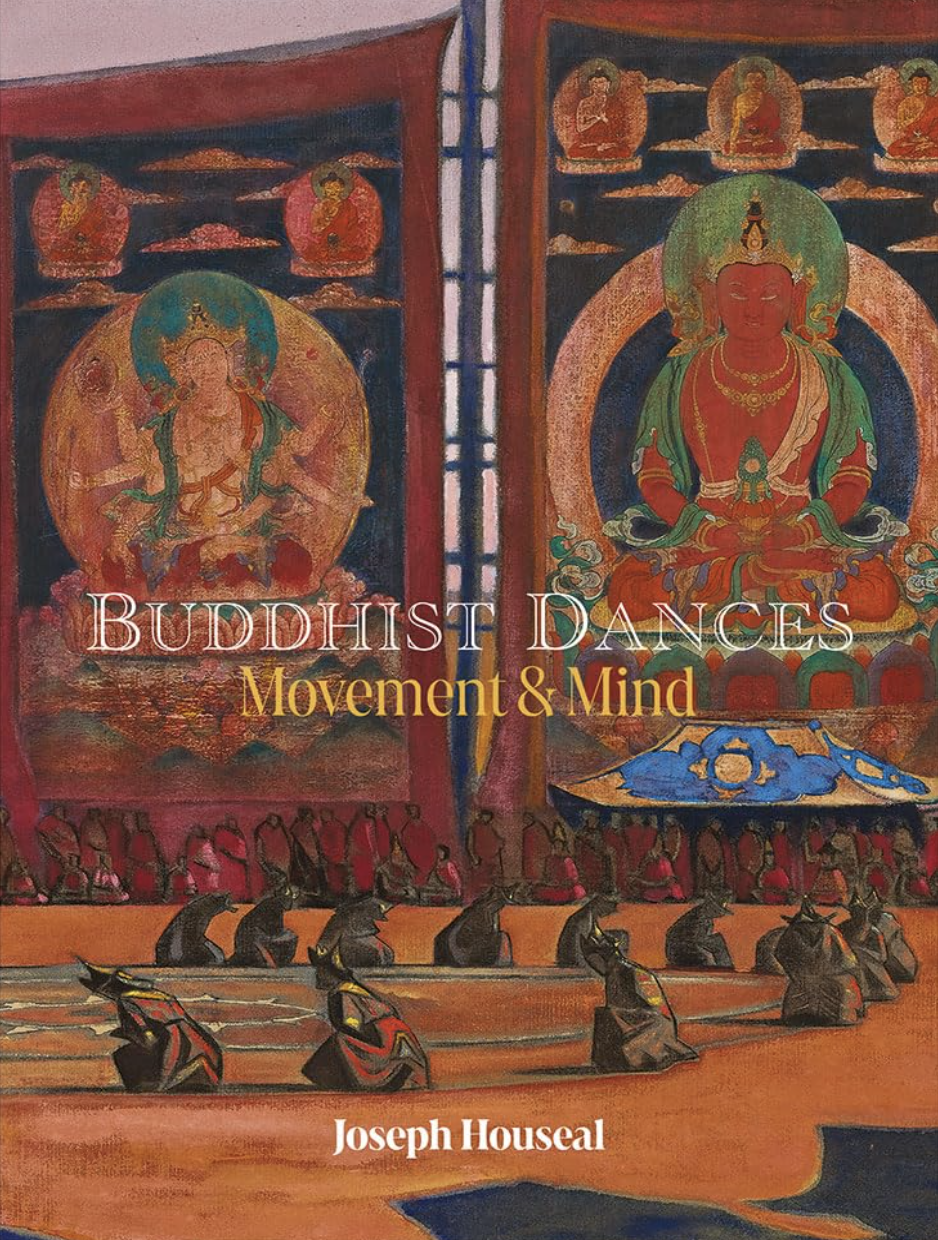
Buddhist Dances: Movement & Mind by Mindy Aloff
A monumental survey, for which I served as editor, by Joseph Houseal, unique in English, of Buddhist dance traditions across ten Asian countries, including a chapter on the Buddhism of Merce Cunningham and Antony Tudor. With rare photographs and spectacular illustrations.
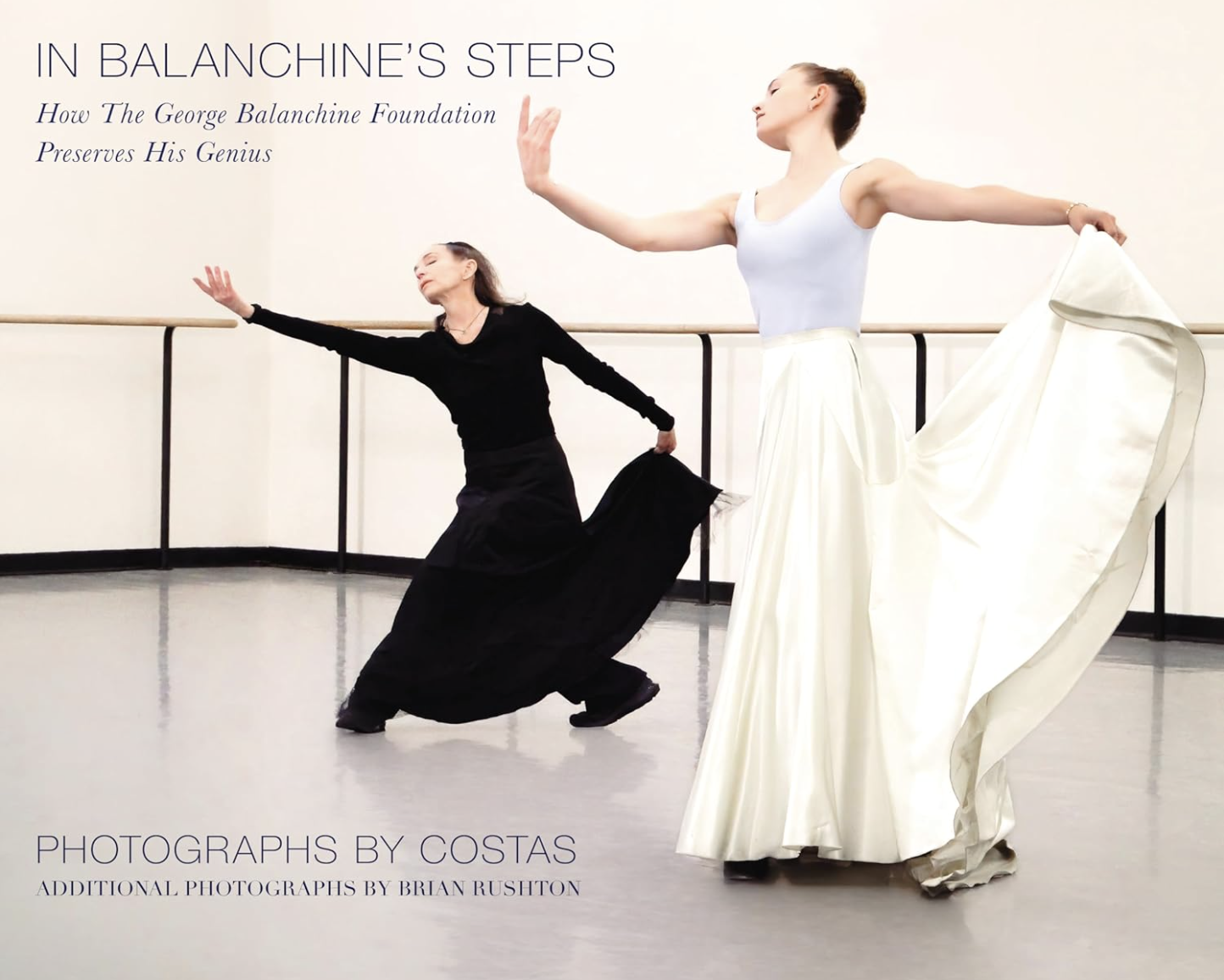
In Balanchine's Steps: How The George Balanchine Foundation Preserves His Genius by Mindy Aloff
An album of photographs by Costas and Brian Rushton of the GBF's esteemed video programs, The Interpreters Archive and The Archive of Lost Choreography. With an interview that I conducted with the Archives' founder, Nancy Reynolds, and some twenty comments by participating dancers, coaches, and critics, whose text I edited. Design by Kyle Froman.
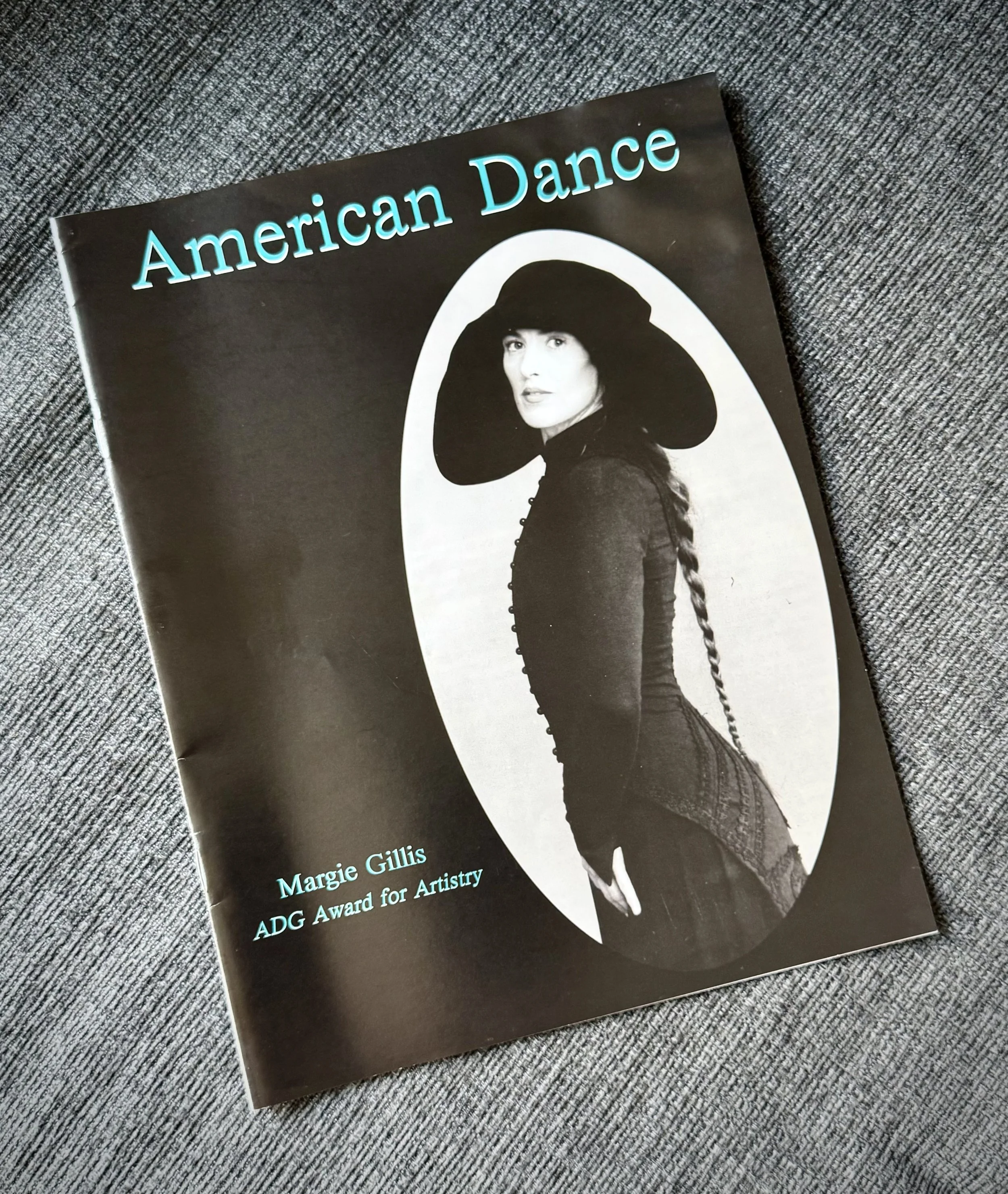
American Dance Magazine
American Dance Magazine is a publication of the American Dance Guild that documents and celebrates the art of dance through articles, interviews, reviews, and historical reflections. It connects dancers, choreographers, scholars, and educators, offering insight into creative processes, performance, and the evolving role of dance in culture and education.
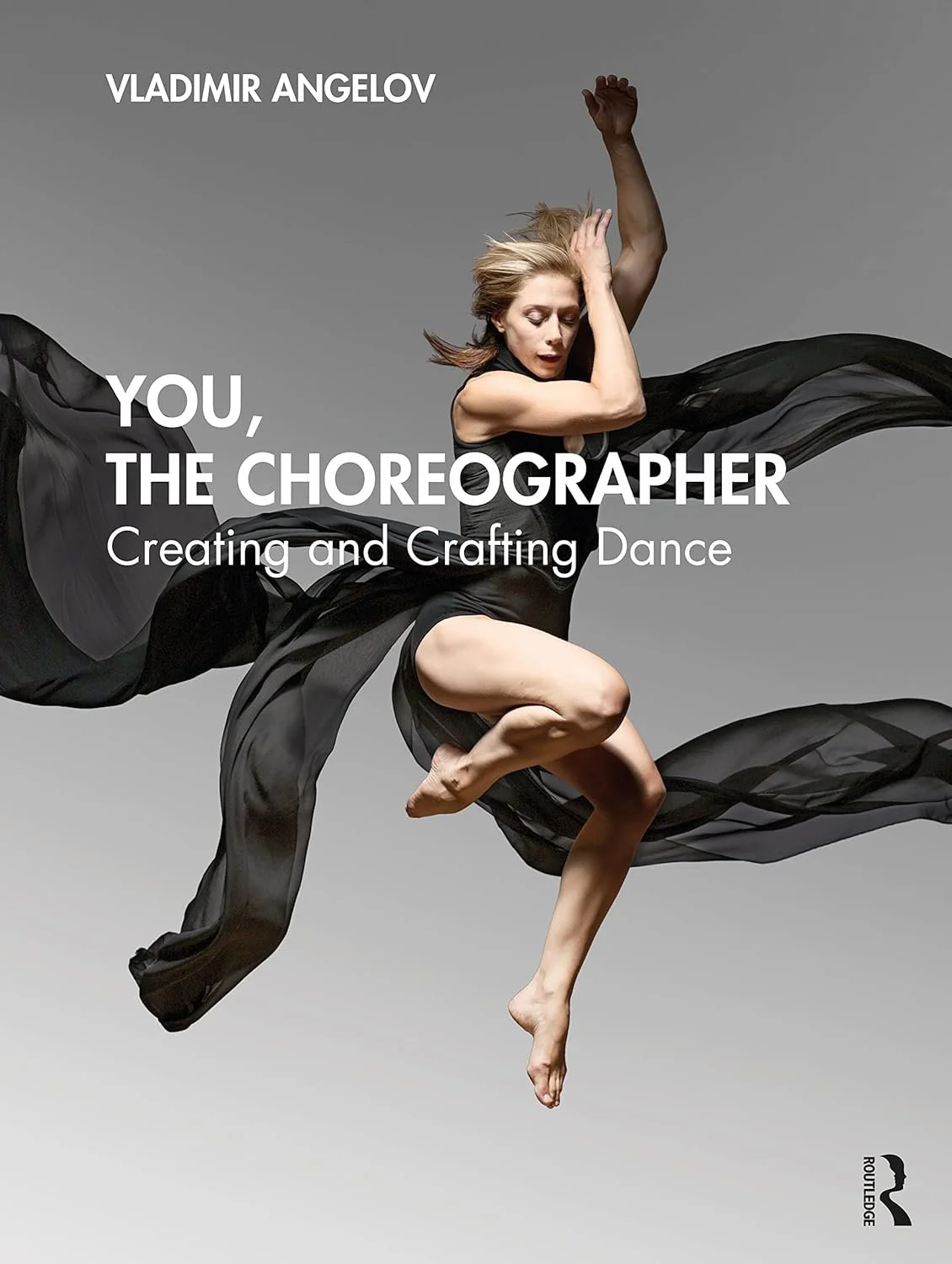
You, the Choreographer, Creating and Crafting Dance by Vladimir Angelov
You, The Choreographer, offers a synthesis of histories, theories, philosophies, and creative practices across diverse genres of concert dance choreography. This book is designed for readers at every stage of creative development who seek to refine their artistic sensibility.
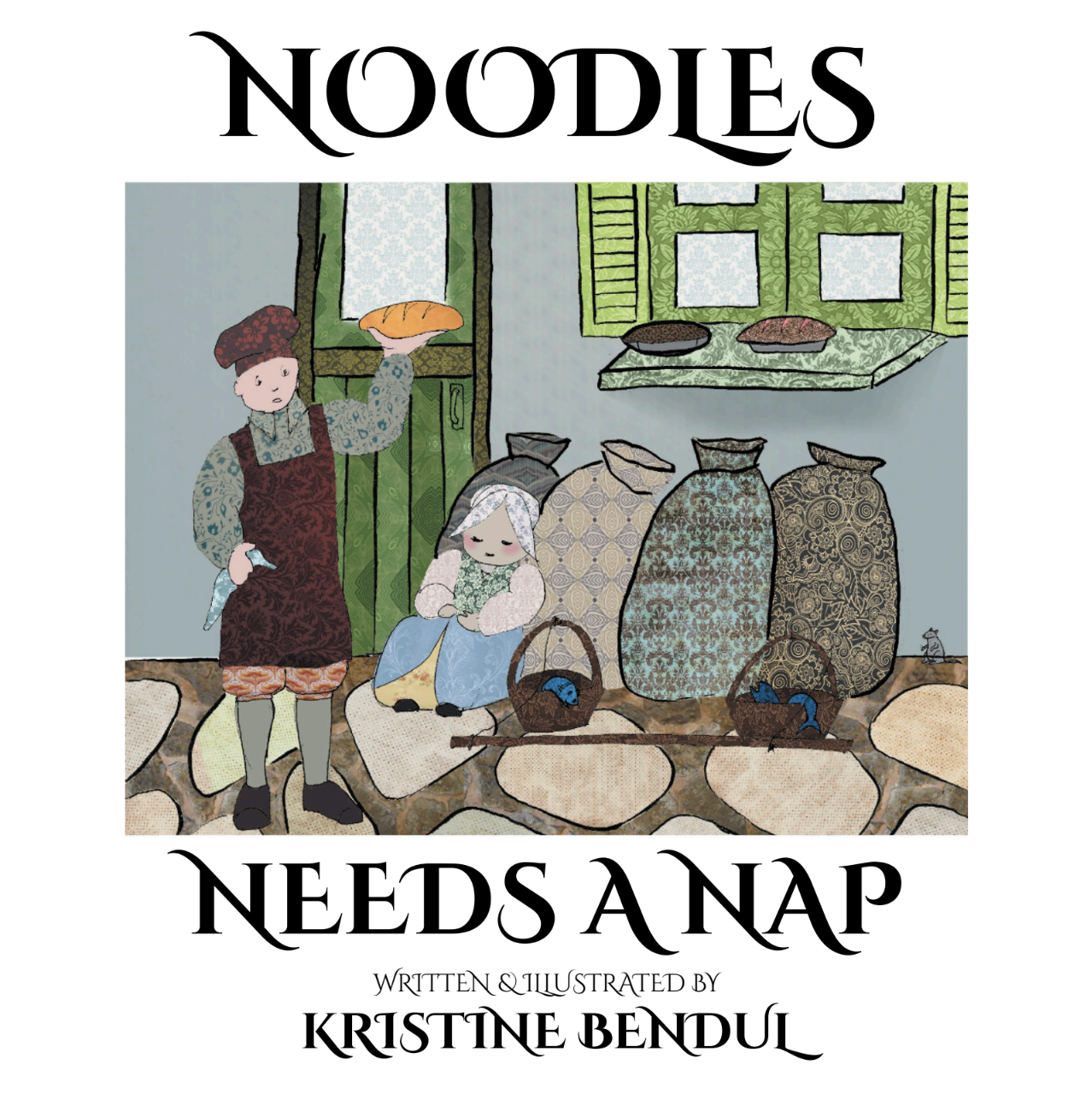
Noodles Needs A Nap by Kristine Bendul
We all know the story of Cinderella—but in the very same kingdom lives Noodles, the village fishmonger. Focused on her work and content in her daily routine, Noodles spends her days delivering fish to the town square, tending to her customers, and quietly moving through the rhythms of village life. As the day unfolds and exhaustion begins to set in, Noodles follows her own instincts rather than the expectations of those around her—discovering that listening to yourself can be its own kind of magic. Told with warmth and gentle humor, Noodles Needs a Nap celebrates individuality, self-awareness, and the freedom to choose what truly matters.
Somatic Ecology: Somatics, Nature, Humanity and the Human Body by Robert Bettmann
Somatic Ecology connects the human relationship to the human body to the theories of Deep Ecology and Ecofeminism. The book suggests that the human relationship to the human body is a mirror of the human relationship to the broader natural world. Chapters in the book present Deep Ecology, Ecofeminism, and then Contact Improvisation, Release Technique, and Body-mind Centering, to present a connection between environmental activism and the study of dance.
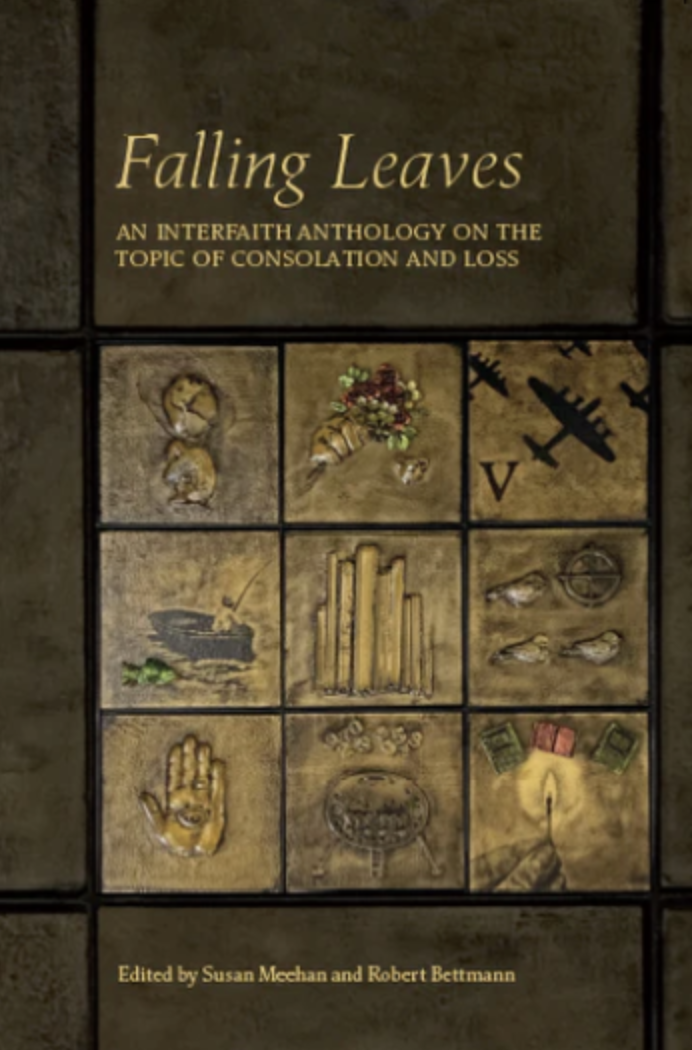
Falling Leaves by Robert Bettmann and Susan Meehan
An interfaith poetry anthology on the topic of consolation and loss

Dancescope Magazine
Dancescope Magazine is a historic publication of the American Dance Guild that documents modern dance history through interviews, essays, criticism, and artist profiles. Originally published from 1965–1981 and edited by Marcia Siegel, it features influential choreographers, scholars, and performers, offering valuable insight into choreography, pedagogy, and the evolution of contemporary dance. Coming up: https://www.americandanceguild.org/merch
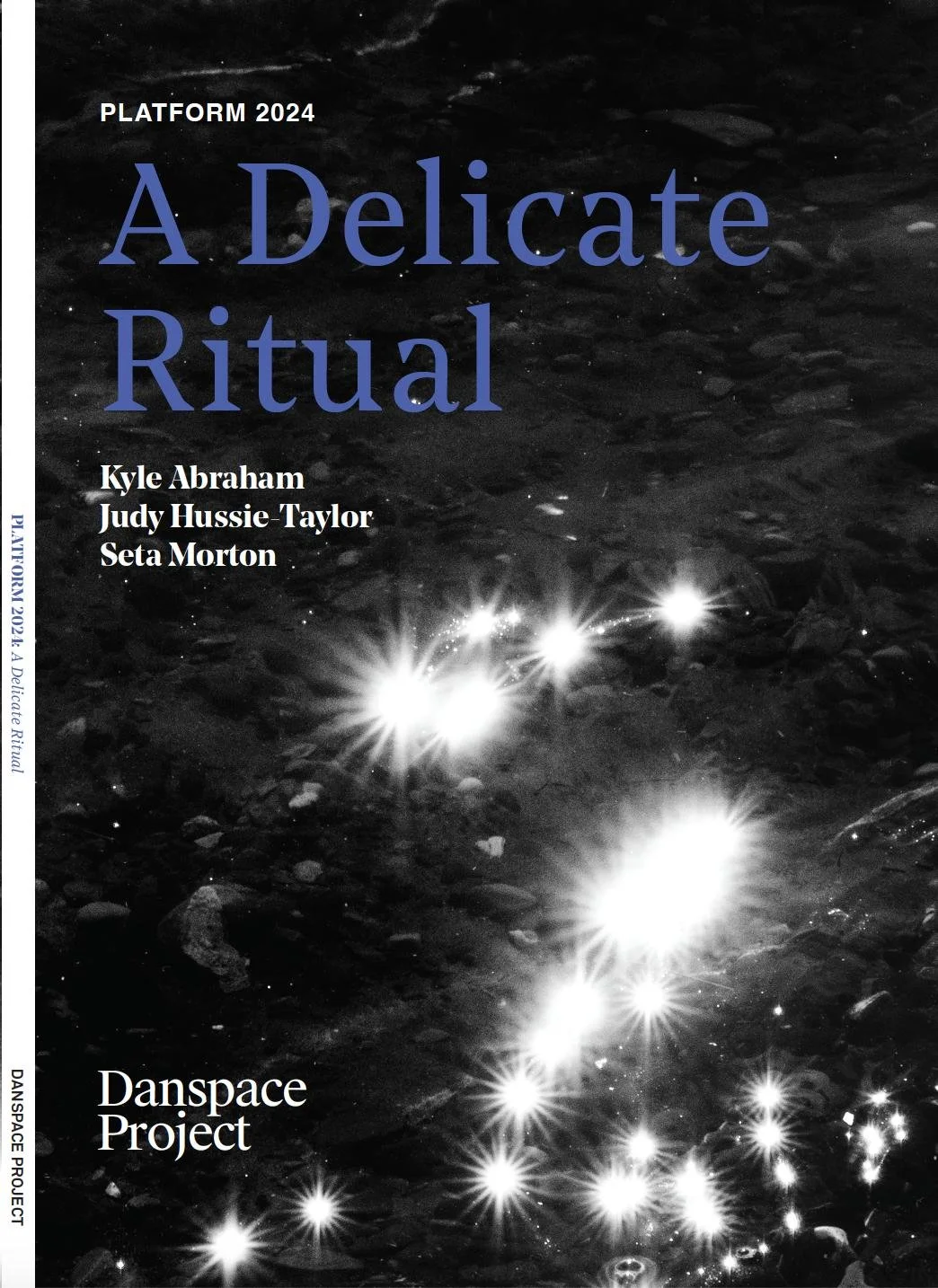
Platform 2024: A Delicate Ritual/ Danspace Project
by Judy Hussie-Taylor, Kyle Abraham, Seta Morton
A Delicate Ritual, guest curated by Kyle Abraham, is the 16th Platform to date at Danspace Project. The Platform presents six weeks of performances and events, featuring shared evenings between Nicholas Ryan Gant & Shamel Pitts (May 2-4), David Roussève & taisha paggett (May 23-25), and Vinson Fraley & Bebe Miller (June 6-8). All of the performances respond to Abraham’s curatorial inquiries: How does nature’s relationship with humanity communicate/jostle/live in your body? How present is a history of love in your relationship to ritual or prayer? How does change affect your relationship to ritual and prayer? Platform 2024 honors the life and work of late choreographer and dance educator, Kevin Wynn. Other live events of the Platform include a memorial to Wynn, classes in Wynn’s technique taught by Jason Rodriguez, and an afternoon of artistic exchanges. With this publication, on the occasion of Platform 2024: A Delicate Ritual, Abraham brings together artists, environmentalists, and healers from different walks of life to reflect on their own rituals and to discuss overarching concepts of care, time, water, home, location, prayer and practice.
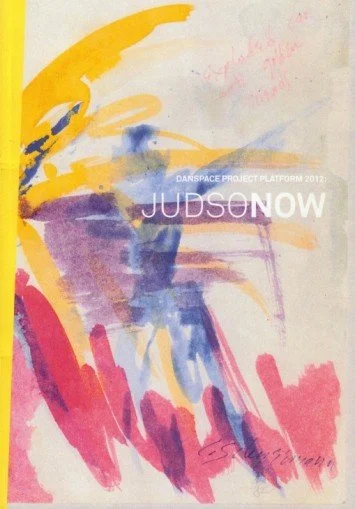
Judson Now/ Danspace Project
by Judy Hussie-Taylor, Jenn Joy
“How does dance right now relate to the 50th anniversary of Judson Dance Theater? Is its history overdetermined? How could we revisit it in relation to its multidisciplinary elements— visual art, music, poetry, film, and theater? How could we present so many artists and conflicting aesthetics as a collective movement? Can we do justice to their many divergent artists and their ideas? Probably not. But what a joyful obsession it has been to try…Platform 2012: Judson Now doesn’t provide a unified narrative because there isn’t one. The Judson aesthetic is oft recounted as minimal, neutral, and democratic, yet some artists were neo-vaudevillian, explosive, and authoritative.” – Judy Hussie-Taylor
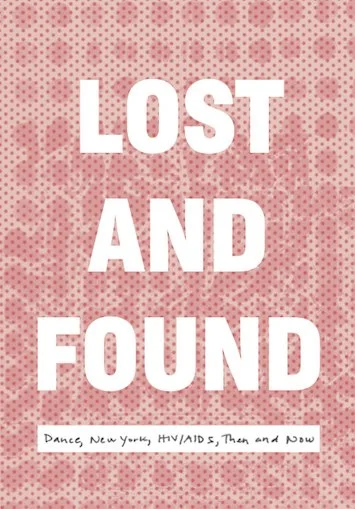
Lost & Found: Dance, New York, HIV/AIDS, Then and Now/ Danspace Project
By Judy Hussie-Taylor, Ishmael Houston-Jones, Will Rawls, Jaime Shearn Coan
“We were baffled. We were angry. We were terrified. We were wary of sharing a glass of water. But we also learned how to nurture and care for the sick and the dying. We made art, those of us who were dying and those of us who survived. Surviving love and death. …But we also rallied; we shouted; we marched in the streets.” – Ishmael Houston-Jones
Since 2010, Danspace Project has published catalogues as part of its series of artist-curated Platforms. Initiated by Danspace Project Executive Director and Chief Curator Judy Hussie-Taylor, the Platforms, “exhibitions that unfold over time,” contextualize contemporary dance and performance practices and histories.
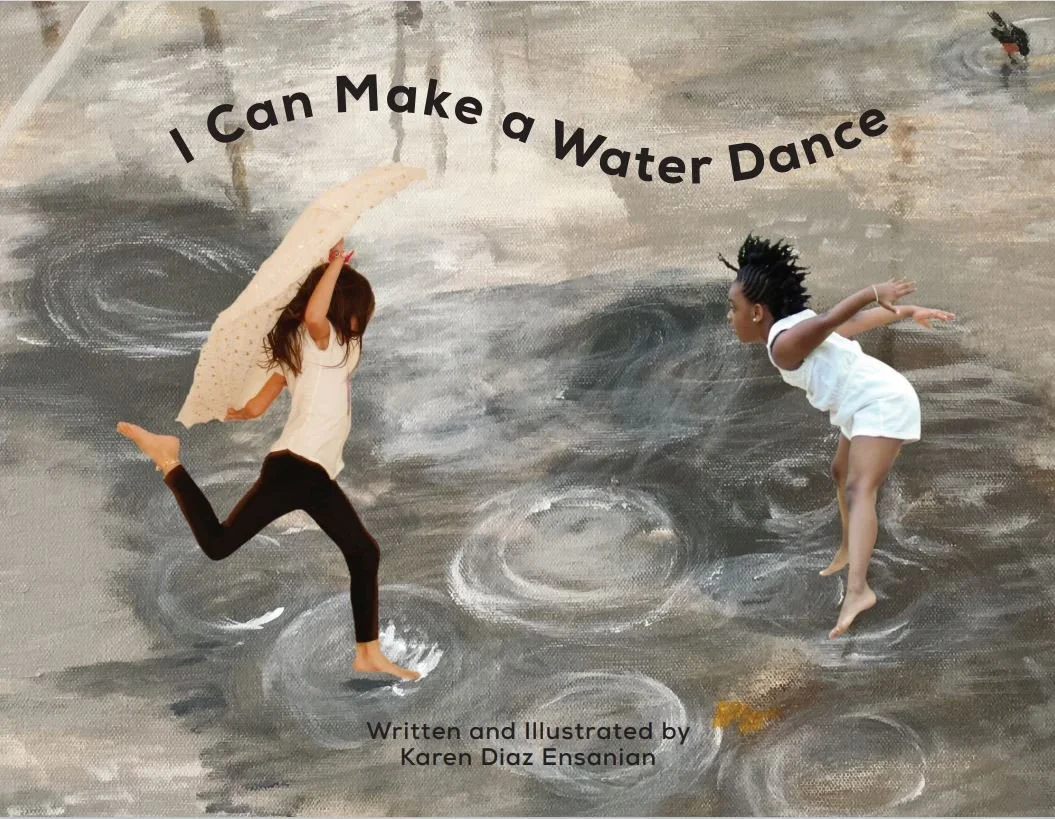
I Can Make a Water Dance by Karen Diaz Ensanian
My goal was to create a book that helps children make connections with the natural world. By having them observe images of water and translate them into their own bodies they begin to make dance. Young dancers will explore their dance movements guided by vocabulary and poetry. They will therefore develop a greater understanding of water, their own bodies, and internalize a deep love of the world they live in. The journey of the book follows the path of the water cycle from evaporation, condensation, precipitation and collection. There are diverse dancer images are set into 14 lyrical paintings. These images are paired with vivid poetry and a question that sets the readers on the path to creating their own water dances. At the end of the book there are images of the children dancing with each photo labeled with a movement word used in the body of the book and a parent and teacher guide for creating a dance activity. The book will be an excellent tool for any Pre-K through fifth grade.
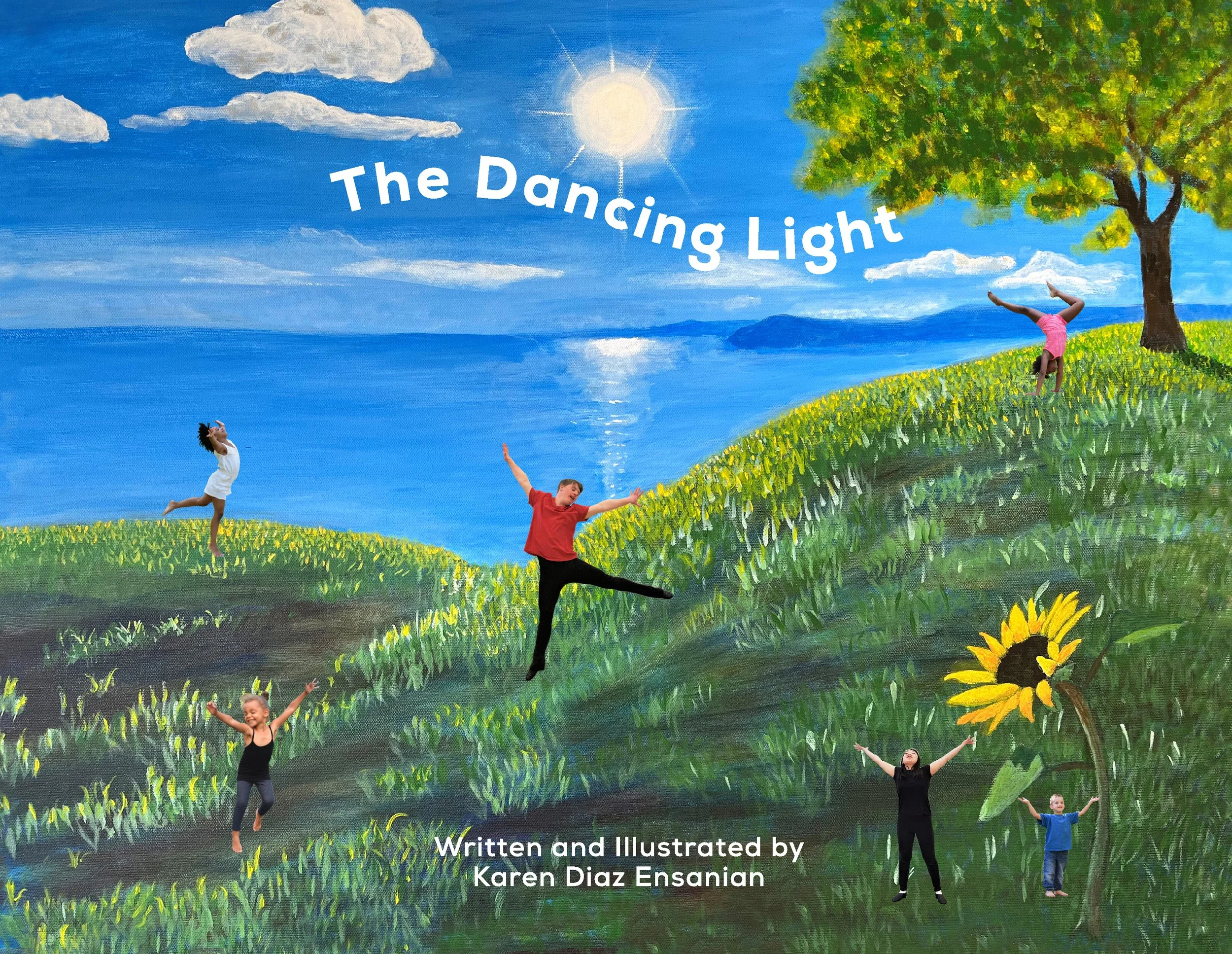
The Dancing Light by Karen Diaz Ensanian
The Dancing Light is the second in a series of books by dance educator Karen Diaz Ensanian, created to facilitate dance making with young children. The book exposes them to beautiful visual art, view photos of young dancers demonstrating science concepts through their movement, and hear poetic verse and action words that help them illustrate the nature of LIGHT. By embodying this information, the student makes deep connections in their body, mind, to the world, and to the nature of light. This is an opportunity to learn by way of movement. Internalizing the information and imagery, students will gain a greater understanding of light and possibilities for creativity. Throughout the book there are questions that provide opportunities for children to find their own unique ways of moving. The journey of the book follows the path of light: light found in nature, light that is man-made, the way light moves through reflection and refraction, its importance for plant life, and finally what happens when light is blocked. Each of the thirteen original paintings by the author combined with the photos of dancers can also be used as a tool for creating dance lessons in the classroom that enrich the study of LIGHT. Paintings set the stage for the creation of dances with different light concepts such as sunlight, bioluminescence, shadows, electricity, lightning, reflection, refraction, and more. ‘Tips for Parents and Teachers’ in the back of the book offer a simple set of suggestions for structuring a dance.
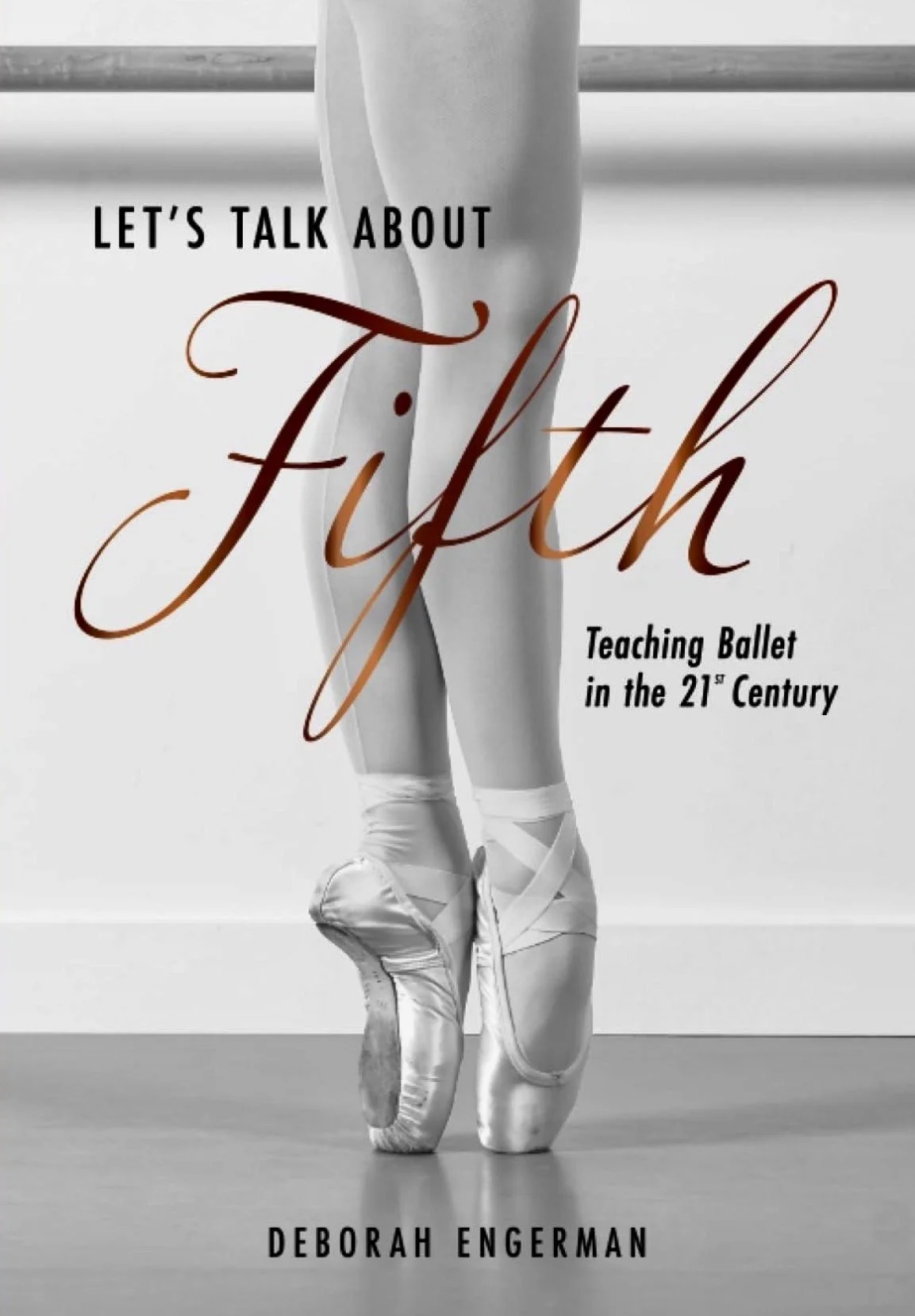
Let’s Talk About Fifth: Teaching Ballet in the 21st Century by Deborah Engerman
Let’s Talk About Fifth provides the tools to execute and teach both the craft and the artistry of classical ballet. Professional dance training requires knowledge, passion, communication, and a giving spirit. Even with years of accumulated dedication and expertise, gaps occur between understanding, performing, and teaching ballet. Technique is one of the foundations of classical ballet and most other dance forms. Let's Talk About Fifth addresses the technical and artistic concepts fundamental to the life of a dancer, which should be covered in the ballet classroom. The following elements are defined and described: center alignment, weight distribution upon the feet on and off pointe, supporting-side control, turnout, use of the knees and lower legs, pointing of the feet, how to use the feet from the floor, extensions, flexibility, coordination, and musicality and artistry. This book offers valuable methods to strengthen and teach classical dance. Teachers will discover new approaches that are both practical and inspiring, along with concepts, strategies, and practices that will help them create a productive, energetic, and focused classroom. With the inclusion of conditioning and class exercises, along with over 100 photographs, teachers and dancers alike will come away equipped to develop the essential skills inherent to ballet technique.
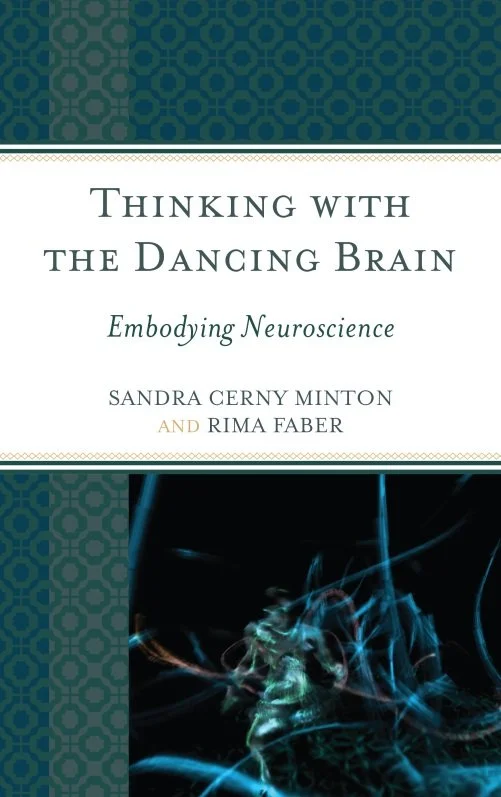
Thinking with the Dancing Brain: Embodying Neuroscience by Rima Faber
As seasoned dancers and dance educators, Minton and Faber approach brain function from inside the body as embodiment of thought. Their collection of neurological research about the thought processes in learning and performing dance encompasses a vision of dance as creative art, communication, education, and life. Chapters address observation, engagement, critical thought, emotion, memory, imagery and imagination, learning, problem solving, and 21st Century Skills. Finer components are explored through neurological networks, classroom pedagogy, dance, and movement experiences.The book informs neuroscientists, educators, and dancers about the complex interdependence of brain localities and networking of human neurology through an integration of physiology, cognition, and the art of dance.

Slow Dancing is Easy by Ara Fitzgerald
"Slow Dancing Is Easy" blends humor and pathos in a genre-fluid collection of short dance/theater pieces that resonate with memoir, observations and fantasy chronicling one woman’s adventures over decades. From "Why Did Sarah Bernhardt Sleep in a Coffin?" to "The Invisible Circus of the Present Tense", these original short scripts and drawings make an exuberant leap from stage to page.
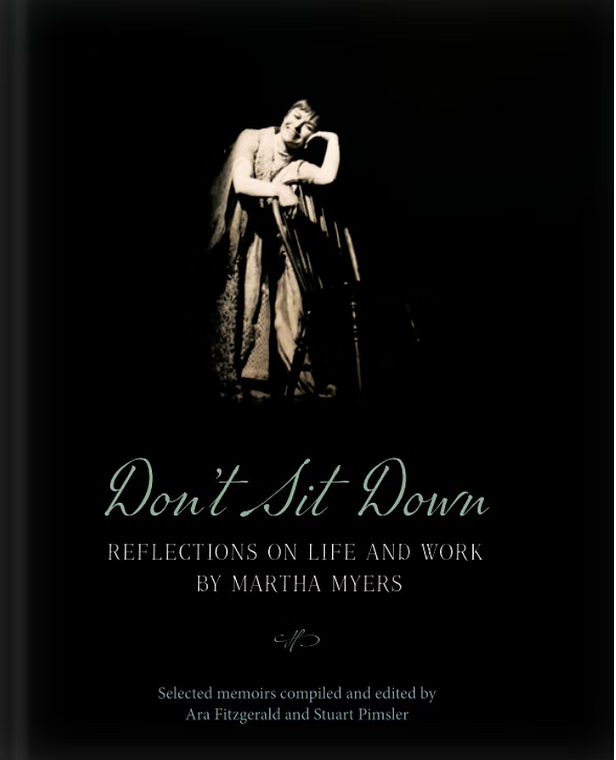
Don't Sit Down, Reflections on Life and Work by Martha Myers by Ara Fitzgerald, Stuart Pimsler
In Don’t Sit Down, Martha Myers speaks to us from the heart about the journey of her life unfolding as a celebrated dance creator and educator, tv personality, activist, wife and mother. For those of you among the many people inspired by her, this book will be a welcome opportunity to hear Martha in her particular and personal voice.