
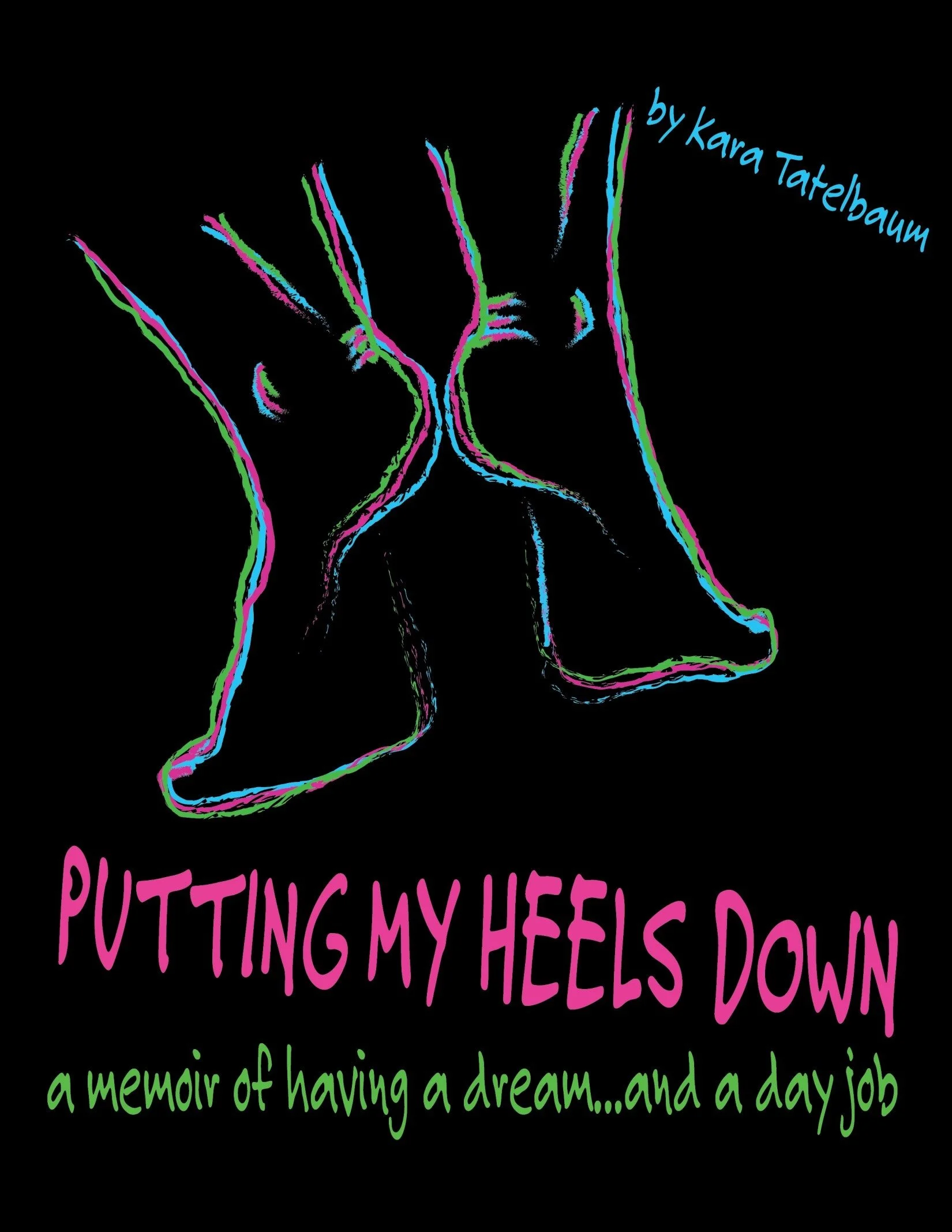
Putting My Heels Down by Kara Tatelbaum
“If your father practiced medicine the way you dance, he’d be under a million lawsuits.” That’s what Miss Lorraine used to tell Kara as a young dancer in between yelling, “Put your heels down!” In dance, criticism is considered a compliment, so as a young dancer with short Achilles tendons, tight hamstrings, and knobby knees she fancied herself a star. Thirty years of leotards and tights later, she had to face some hard truths. Maybe she wasn’t a dancer after all. After graduating from a top conservatory and embarking on her Martha Graham dreams, Kara reluctantly chose to teach Pilates to pay the bills. After initially failing her certification thanks to a nasty margarita hangover, she became one of the most sought after Pilates instructors in Manhattan. She cracked herself up, with what could only be described as Pilates stand-up, poking fun at high maintenance clients and gym culture. But, after hitting many unexpected speed bumps in her dance career, what started as a nothing day job had become her everything. And it wasn’t funny anymore. Underneath that peppy six-pack Pilates persona was a sad little girl fighting for her dream. Putting My Heels Down exposes the harsh realities of life as a dancer but more importantly, the conflict so many of us experience between having a day job and having a dream. You won’t need to know about pliés to relate.
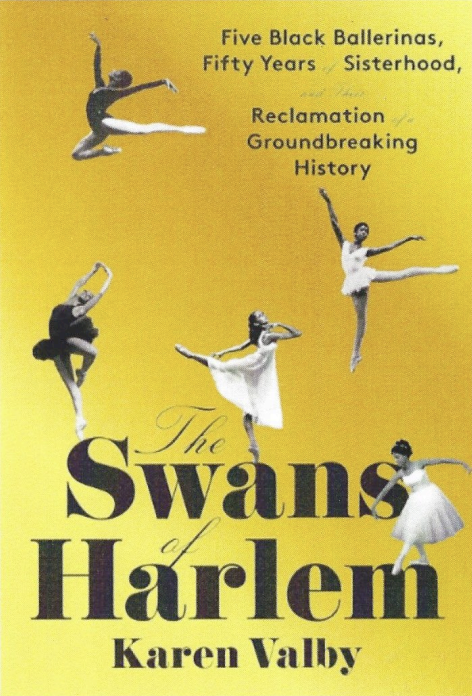
THE SWANS OF HARLEM by Karen Valby
The story of five black ballerinas who helped found The Dance Theatre of Harlem. Their Sisterhood and experiences and dedication to each other through the years.
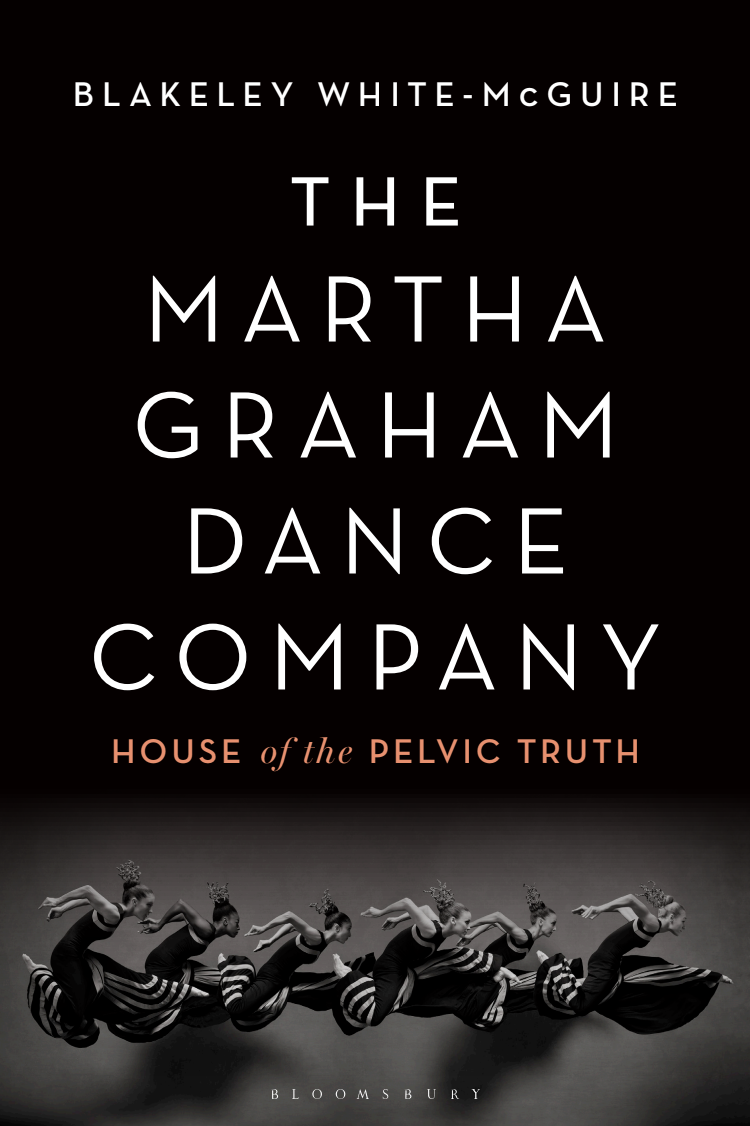
The Martha Graham Dance Company: House of the Pelvic Truth by Blakeley White-McGuire
What is the legacy of Martha Graham and why does it endure? How and why did the philosophy and subsequent canon of Martha Graham flood out into an artistic diaspora that is still a wellspring of inspiration for contemporary artists? How do dancers that have never studied with, or worked under, Martha Graham maintain her vision? All of these questions, and many more, are considered in this fascinating book, authored by one of the Martha Graham Company's ex-principal dancers, which illuminates the ongoing significance of the Martha Graham Dance Company almost 100 years after it was founded. Through doing so, we are offered a study of the history of the Martha Graham Dance Company - the longest-standing modern dance company in America, its international diaspora and the current generation of dancers taking up the mantel. Drawing on extensive interviews conducted for the book, the company's story is told through the experiences, inspirations, motivations and words of performers from Graham's iconic artistic lineage.
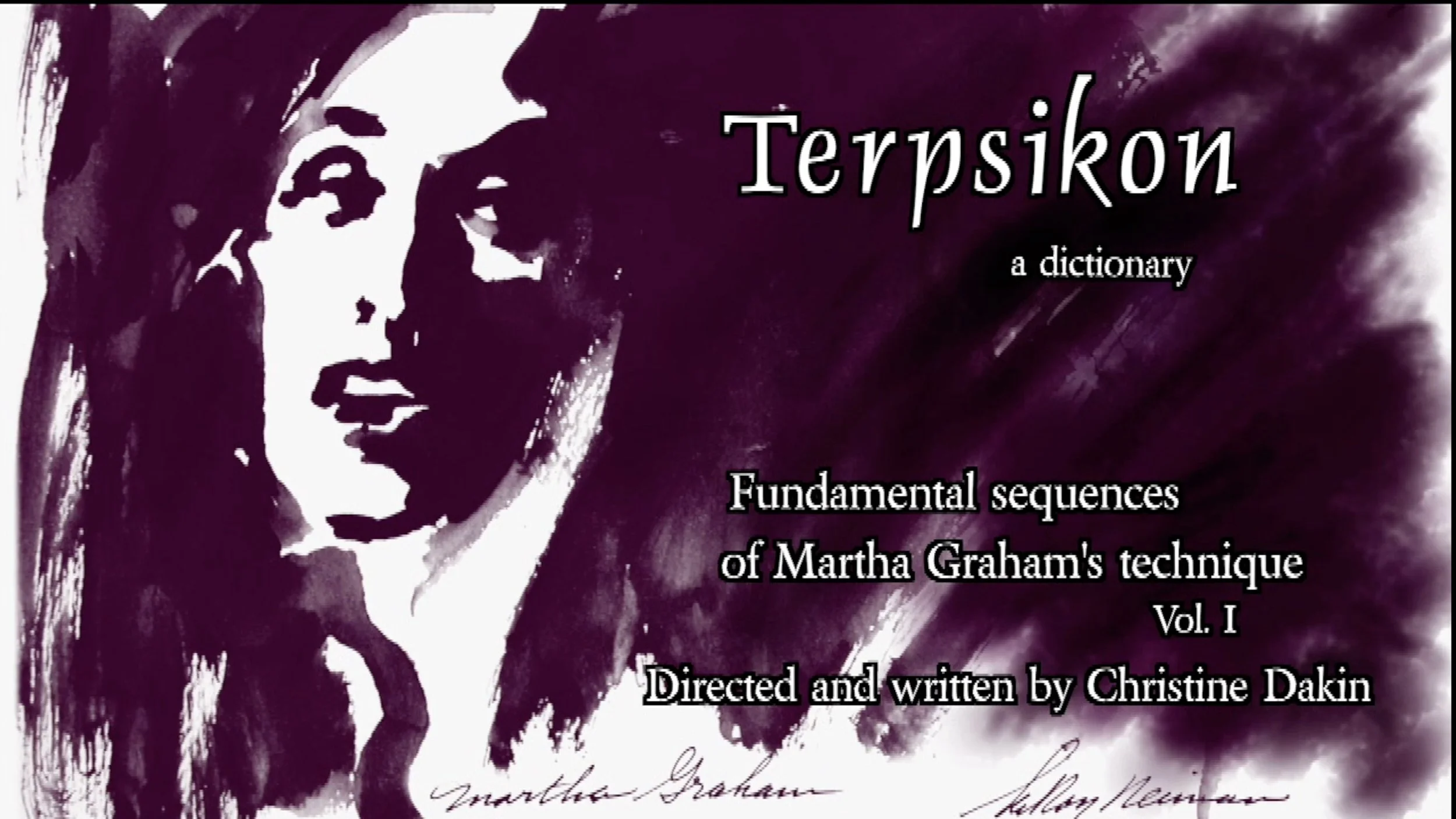
Terpsikon Vol. I , Fundamental sequences of Martha Graham’s technique
created and written by Christine Dakin, former principal dancer and Artistic Director of the Martha Graham Dance Company. She shares her deep knowledge of Graham’s revolutionary technique through dancers’ bodies, original music, visual metaphor and her poetic and practical commentary. The dancers and musicians, Mexican and American professionals trained in Graham’s technique and in traditional dance forms, show the rigor, beauty at the heart of Martha Graham’s dance and its connection to other arts and to the natural world. The Terpsikon is an invaluable resource for teachers, students, and performers and for anyone interested in the creative life, and a deeper knowledge of Martha Graham’s technique. Available in English and Spanish.

New Dance Group Gala: Historical Concert Retrospective 1930s-1970s
A compelling historical concert retrospective celebrating the New Dance Group’s groundbreaking legacy. Featuring 18 recreated works and excerpts by influential choreographers such as Pearl Primus, Anna Sokolow, Charles Weidman, and Talley Beatty, the film highlights socially conscious modern dance from the 1930s–1970s, preserving powerful performances and interviews with artists and reconstructors

The EYE ON DANCE Archive
created and produced by Celia Ipiotis and Jeff Bush, contains vast primary source videos and print resources. Designated an "Irreplaceable National Dance Treasure" by the Dance Heritage Coalition, EOD aired on PBS from 1981-2004 and celebrates its 45th Anniversary. The archive holds America's dance DNA captured in an era defined by AIDS, unabashed idealists and trailblazers. A vital educational resource, The EOD website also produces cultural reviews and commentary through the EYE ON THE ARTS and the EOD Video Tributes sections.